

Residential glass elevators can add a touch of sophistication to a home. For many homeowners and builders, the draw of a glass elevator is paired with practical questions about safety, cost and installation. This guide examines the allure and safety of glass elevators in residential homes, looking at the different types, benefits and safety features.
Different Home Glass Elevator Options
The main types of residential elevators are categorized by their operation mechanisms, which determine how they work. Here are the different options:
- Traction: These elevators use the counterweight method to move the cab. They are energy-efficient and well-suited for homes with multiple stories.
- Hydraulic: These elevators operate using a piston and pump system. They are known for being reliable and having a high weight capacity.
- Pitless: Designed for minimal space requirements, these elevators travel through a floor cut-out and do not need a hoistway. Pitless elevators are compact and typically used to travel between only two levels.
Benefits of Residential Glass Elevators
Glass elevators are an excellent addition to a home, providing easy access between floors. Some of the top benefits of these systems include:
Enhanced Aesthetic Appeal
Residential glass lifts offer a modern, sleek, and elegant design that can serve as a focal point in any home. Their transparent nature allows them to blend into various interior designs, from contemporary to traditional. These elevators also feature customizable finishes, such as minimalist framing and sleek metallic accents, which complement a home's existing decor.
Panoramic Views
A standout feature of home glass elevators is the transparent walls, which provide an unobstructed view of your home and surroundings. A glass elevator can turn a simple trip between floors into a mini-sightseeing experience, especially in a home with impressive outdoor scenery or an expansive interior.
Space-Saving Design
Residential glass elevators are designed to be space-saving compared to traditional elevators. Many modern systems do not require a separate machine room or a large shaft. Their compact designs and minimal structural requirements make them ideal for retrofitting into existing homes or for installation in spaces with limited area.
Increased Accessibility
Installing a residential elevator makes your home more accessible for guests and family members with limited mobility. It eliminates the need to climb stairs and provides mobility aid and wheelchair-friendly access to all levels of your house.
Sense of Spaciousness
The transparent cab of glass elevators creates an illusion of openness. It eliminates the visual barrier of a solid elevator, making the area feel less confined and more open. The use of glass allows abundant sunlight to penetrate both the elevator cabin and adjacent living areas. The increased natural light brightens the space, contributing to an airy and open ambience.
Added Home Value
Residential glass elevators are a distinctive, sought-after feature that can add significant value to your home. The modern appeal, combined with the practical accessibility these elevators offer, can make the house more attractive to a broader range of buyers, especially those focused on aging in place or multi-generational living.
The Safety of Residential Glass Lifts
Residential glass elevators are primarily made of glass, a material that raises several safety concerns, including potential breakage. Fortunately, glass lifts are built with safety in mind. They are typically constructed with shatterproof materials, such as tempered or laminated glass. They also come with advanced safety features, including emergency brakes, overload sensors and battery backup.
These systems must be professionally installed and regularly maintained to ensure they meet all relevant safety codes and standards.
Choosing the Right Glass Elevator for Your Home
Choosing the right glass elevator for your home involves a blend of practical, aesthetic, and financial considerations. Key factors include:
- Purpose of use: Determine the primary reason for the elevator. It could be for general convenience or to future-proof the home for aging in place. Understanding the purpose of use will inform other decisions about size and features.
- Space requirements: Elevator sizes vary by model and design. Analyze your home's layout to determine where the elevator will be installed, ensuring it fits within the available space.
- Weight capacity: Evaluate your needs for passengers, mobility aids and cargo to select a model that can safely accommodate the anticipated load.
- Safety features: While glass elevators are incredibly safe, it's crucial to ensure your system has all the critical safety features, as well as additional ones that meet your needs.
- Customization: Home glass elevators are highly customizable, allowing you to personalize the size, glass type, lighting, finishes and other features.
- Budget: When choosing a glass elevator for your home, you need to factor in the total costs, from the model to installation.
Elevate Your Home With Residential Elevators
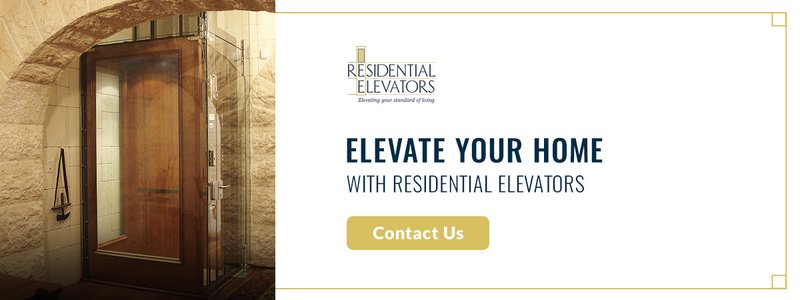
A glass elevator achieves the perfect blend of form and function. To ensure you get the best value out of your home glass lift, partner with Residential Elevators. We design, manufacture and install custom glass elevators that meet your aesthetic and practical needs. As a family-owned company, we are committed to delivering high-quality, safe solutions that simplify our customers' lives. Contact us today to start working with the experts at Residential Elevators.